
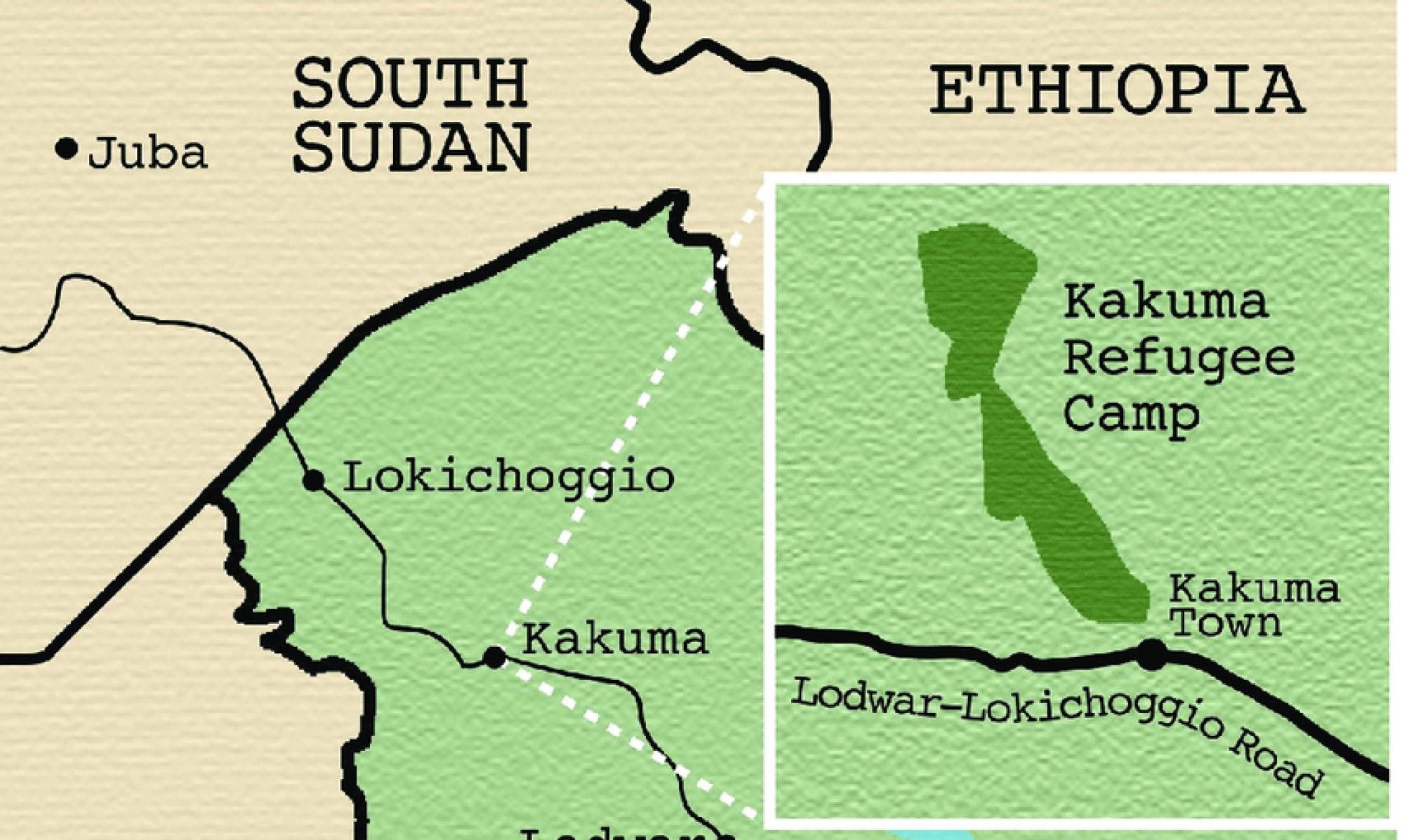


The Kakuma Refugee Camp in Kenya is facing an unprecedented humanitarian crisis as drastic cuts to food assistance push thousands of vulnerable families toward starvation and desperation. What was once a lifeline for survival has been reduced to a fraction of its former support, leaving entire communities struggling to meet their most basic needs.
Kambi ya Wakimbizi ya Kakuma nchini Kenya inakabiliwa na mzozo wa kibinadamu ambao haujawahi kushuhudiwa huku kupunguzwa kwa misaada ya chakula kushinikiza maelfu ya familia zilizo katika mazingira magumu kuelekea njaa na kukata tamaa. Kile ambacho hapo awali kilikuwa njia ya kuishi kimepunguzwa hadi sehemu ya msaada wake wa zamani, na kuacha jamii nzima ikijitahidi kukidhi mahitaji yao ya kimsingi.
The Scale of the Crisis / Ukubwa wa mgogoro
Located in northwestern Kenya, Kakuma has served as home to refugees fleeing conflict and persecution across East Africa for over three decades. Today, the camp’s residents face what many describe as their darkest hour, as reduced international funding has led to severe cuts in food assistance that once provided minimal but crucial support for survival.
The situation has deteriorated rapidly, with families that previously relied on basic food rations now finding themselves with dramatically reduced support or no assistance at all. This crisis affects not just individual families, but entire communities within the camp, creating a ripple effect of hunger, desperation, and social breakdown.
Iko kaskazini magharibi mwa Kenya, Kakuma imetumika kama makazi ya wakimbizi wanaokimbia migogoro na mateso kote Afrika Mashariki kwa zaidi ya miongo mitatu. Leo, wakaazi wa kambi hiyo wanakabiliwa na kile ambacho wengi wanakielezea kama saa yao ya giza zaidi, kwani kupunguzwa kwa ufadhili wa kimataifa kumesababisha kupunguzwa kwa msaada wa chakula ambao hapo awali ulitoa msaada mdogo lakini muhimu kwa kuishi.
Hali imezorota haraka, na familia ambazo hapo awali zilitegemea mgao wa kimsingi wa chakula sasa zinajikuta zikiwa na msaada uliopunguzwa sana au hakuna msaada wowote. Mgogoro huu hauathiri tu familia za kibinafsi, lakini jamii nzima ndani ya kambi, na kusababisha athari mbaya ya njaa, kukata tamaa, na kuvunjika kwa jamii.
Understanding the New Categorization System / Kuelewa Mfumo Mpya wa Uainishaji
The United Nations High Commissioner for Refugees (UNHCR) has implemented a controversial categorization system to manage the reduced resources:
Kamishna Mkuu wa Wakimbizi wa Umoja wa Mataifa (UNHCR) ametekeleza mfumo wa uainishaji wenye utata ili kusimamia rasilimali zilizopunguzwa:
Category 1 includes refugees who are disabled, elderly, suffering from chronic diseases, widowed, or households headed by children. These most vulnerable individuals now receive just 33% of their previous food assistance—approximately 1 kg of maize or sorghum per person per month.
Kitengo cha 1 kinajumuisha wakimbizi ambao ni walemavu, wazee, wanaougua magonjwa sugu, wajane, au kaya zinazoongozwa na watoto. Watu hawa walio hatarini zaidi sasa wanapokea 33% tu ya usaidizi wao wa awali wa chakula—takriban kilo 1 ya mahindi au mtama kwa kila mtu kwa mwezi.
Category 2 encompasses single people and widows raising children who are considered able-bodied and capable of work. They receive only 20% of their previous food assistance, roughly 200 grams of maize or sorghum per person per month.
Kitengo cha 2 kinajumuisha watu wasio na waume na wajane wanaolea watoto ambao wanachukuliwa kuwa wenye uwezo na wenye uwezo wa kufanya kazi. Wanapokea 20% tu ya usaidizi wao wa awali wa chakula, takriban gramu 200 za mahindi au mtama kwa kila mtu kwa mwezi.
Categories 3 and 4 include anyone deemed to have knowledge and skills that could potentially lead to employment. These refugees receive no food assistance whatsoever.
Kategoria za 3 na 4 ni pamoja na mtu yeyote anayechukuliwa kuwa na maarifa na ujuzi ambao unaweza kusababisha ajira. Wakimbizi hawa hawapati msaada wowote wa chakula.
The Human Cost of Inadequate Support / Gharama ya kibinadamu ya msaada duni
The arbitrary nature of this categorization system has created devastating consequences for families across the camp. Pregnant women, children, and other vulnerable households often find themselves misclassified, leading to acute hunger and malnutrition among those who most need support.
Asili ya kiholela ya mfumo huu wa uainishaji imeleta matokeo mabaya kwa familia kote kambini. Wanawake wajawazito, watoto, na kaya zingine zilizo hatarini mara nyingi hujikuta zikiwa zimeainishwa vibaya, na kusababisha njaa kali na utapiamlo kati ya wale wanaohitaji msaada zaidi.


For refugees placed in Categories 3 and 4, the situation is particularly dire. Despite being labeled as “able-bodied” with “knowledge and skills,” the reality is that employment opportunities within and around the camp are virtually non-existent. The few available positions with camp authorities or NGOs pay extremely low wages and can accommodate only a fraction of those seeking work.
Kwa wakimbizi waliowekwa katika Kategoria ya 3 na 4, hali ni mbaya sana. Licha ya kuitwa “wenye uwezo” na “maarifa na ujuzi,” ukweli ni kwamba fursa za ajira ndani na karibu na kambi hazipo. Nafasi chache zinazopatikana na mamlaka ya kambi au NGOs hulipa mishahara ya chini sana na zinaweza kuchukua sehemu ndogo tu ya wale wanaotafuta kazi.
Rising Desperation and Social Breakdown / Kuongezeka kwa Kukata tamaa na Kuvunjika kwa Jamii
The food crisis has triggered a cascade of social problems that threaten the very fabric of the refugee community. As families struggle to secure basic nutrition, desperation has led to increased crime, family conflicts, and dangerous survival strategies.
Violence and theft have escalated as hunger drives people to desperate measures. Mental health crises are becoming increasingly common, with parents unable to feed their children and young people losing hope for their future. The stress of constant hunger and uncertainty has torn apart family structures, leaving children particularly vulnerable.
Perhaps most tragically, the crisis has forced many into exploitation and dangerous situations. Women and girls face increased risks of sexual exploitation and gender-based violence as they are forced to trade their safety for food. Children are being pulled from schools to work, perpetuating cycles of poverty and limiting their future opportunities.
Mgogoro wa chakula umesababisha msururu wa shida za kijamii ambazo zinatishia muundo wa jamii ya wakimbizi. Wakati familia zinajitahidi kupata lishe ya kimsingi, kukata tamaa kumesababisha kuongezeka kwa uhalifu, migogoro ya familia, na mikakati hatari ya kuishi.
Vurugu na wizi vimeongezeka huku njaa ikiwasukuma watu kuchukua hatua za kukata tamaa. Migogoro ya afya ya akili inazidi kuwa ya kawaida, huku wazazi wakishindwa kulisha watoto wao na vijana wakipoteza matumaini ya maisha yao ya baadaye. Mkazo wa njaa ya mara kwa mara na kutokuwa na uhakika umesambaratisha miundo ya familia, na kuwaacha watoto katika mazingira magumu sana.
Labda cha kusikitisha zaidi, mgogoro huo umewalazimisha wengi katika unyonyaji na hali hatari. Wanawake na wasichana wanakabiliwa na hatari kubwa ya unyonyaji wa kijinsia na unyanyasaji wa kijinsia kwani wanalazimika kufanya biashara ya usalama wao kwa chakula. Watoto wanavutwa kutoka shuleni kwenda kazini, kuendeleza mizunguko ya umaskini na kupunguza fursa zao za baadaye.
The Search for Solutions / Utafutaji wa Ufumbuzi
While the international community grapples with funding shortfalls and competing humanitarian crises, the immediate need for support in Kakuma remains urgent. The camp’s residents are calling for increased international attention and support to address both the immediate food crisis and the underlying issues that perpetuate their vulnerable situation.
Local community leaders and refugees themselves are working to find sustainable solutions, from small-scale farming initiatives to skills training programs that could provide alternative income sources. However, these efforts require significant support and resources to make a meaningful impact.
Wakati jumuiya ya kimataifa inakabiliana na upungufu wa ufadhili na migogoro ya kibinadamu inayoshindana, hitaji la haraka la msaada huko Kakuma bado ni la dharura. Wakazi wa kambi hiyo wanatoa wito wa kuongezeka kwa umakini na msaada wa kimataifa ili kushughulikia shida ya haraka ya chakula na maswala ya msingi ambayo yanaendeleza hali yao ya hatari.
Viongozi wa jamii na wakimbizi wenyewe wanafanya kazi kutafuta suluhisho endelevu, kutoka kwa mipango ya kilimo kidogo hadi programu za mafunzo ya ujuzi ambazo zinaweza kutoa vyanzo mbadala vya mapato. Hata hivyo, juhudi hizi zinahitaji usaidizi na rasilimali kubwa ili kuleta athari ya maana.
A Call for Global Awareness / Wito wa Ufahamu wa Kimataifa


The crisis in Kakuma serves as a stark reminder of the ongoing challenges facing refugee populations worldwide. As international attention often focuses on newer crises, established refugee communities like those in Kakuma risk being forgotten, despite their continued need for support and protection.
The situation highlights the critical importance of sustained international commitment to refugee assistance, not just in times of acute crisis, but as an ongoing humanitarian responsibility. It also underscores the need for more comprehensive approaches to refugee support that go beyond basic survival needs to include opportunities for education, skills development, and eventual integration or resettlement.
Mgogoro wa Kakuma unatumika kama ukumbusho mkali wa changamoto zinazoendelea zinazowakabili idadi ya wakimbizi duniani kote. Kwa kuwa umakini wa kimataifa mara nyingi huzingatia migogoro mipya, jumuiya za wakimbizi zilizoanzishwa kama zile za Kakuma zina hatari ya kusahaulika, licha ya kuendelea kuhitaji msaada na ulinzi.
Hali hiyo inaangazia umuhimu mkubwa wa kujitolea kwa kimataifa kwa msaada wa wakimbizi, sio tu wakati wa shida kubwa, lakini kama jukumu linaloendelea la kibinadamu. Pia inasisitiza hitaji la mbinu za kina zaidi za usaidizi wa wakimbizi ambazo huenda zaidi ya mahitaji ya kimsingi ya kuishi ili kujumuisha fursa za elimu, ukuzaji wa ujuzi, na hatimaye ujumuishaji au makazi mapya.
Moving Forward / Kusonga mbele
The humanitarian crisis in Kakuma demands immediate attention and action from the international community. While the challenges are complex and deep-rooted, the human cost of inaction is too great to ignore. Every day that passes without adequate support means more families pushed to the brink of survival, more children pulled from school, and more community bonds strained to breaking point.
The resilience of Kakuma’s refugee community in the face of such adversity is remarkable, but resilience alone cannot address the fundamental need for food, safety, and dignity. As the international community considers its response to this crisis, the voices of those directly affected must be heard and their needs prioritized.
The situation in Kakuma is not just a regional issue—it is a test of our collective commitment to human dignity and the protection of the world’s most vulnerable populations. How we respond will determine not only the immediate fate of thousands of families, but also our credibility as a global community committed to humanitarian principles.
Mgogoro wa kibinadamu huko Kakuma unahitaji umakini wa haraka na hatua kutoka kwa jumuiya ya kimataifa. Ingawa changamoto ni ngumu na zenye mizizi, gharama ya kibinadamu ya kutochukua hatua ni kubwa sana kupuuza. Kila siku inayopita bila usaidizi wa kutosha inamaanisha familia nyingi zaidi zinasukumwa ukingoni mwa kuishi, watoto zaidi kutolewa shuleni, na vifungo zaidi vya jamii vimekazwa hadi kuvunjika.
Ustahimilivu wa jumuiya ya wakimbizi wa Kakuma katika kukabiliana na shida kama hizo ni wa ajabu, lakini uthabiti pekee hauwezi kushughulikia hitaji la kimsingi la chakula, usalama na utu. Wakati jumuiya ya kimataifa inazingatia mwitikio wake kwa mgogoro huu, sauti za wale walioathiriwa moja kwa moja lazima zisikike na mahitaji yao yapewe kipaumbele.
Hali ya Kakuma sio tu suala la kikanda – ni mtihani wa kujitolea kwetu kwa pamoja kwa utu wa binadamu na ulinzi wa watu walio hatarini zaidi ulimwenguni. Jinsi tunavyojibu haitaamua tu hatima ya haraka ya maelfu ya familia, lakini pia uaminifu wetu kama jumuiya ya kimataifa iliyojitolea kwa kanuni za kibinadamu.
For more information about the humanitarian situation in Kakuma Refugee Camp and ways to support affected families, readers are encouraged to contact established humanitarian organizations working in the region.
Kwa habari zaidi juu ya hali ya kibinadamu katika Kambi ya Wakimbizi ya Kakuma na njia za kusaidia familia zilizoathiriwa, wasomaji wanahimizwa kuwasiliana na mashirika ya kibinadamu yaliyoanzishwa yanayofanya kazi katika eneo hilo.


