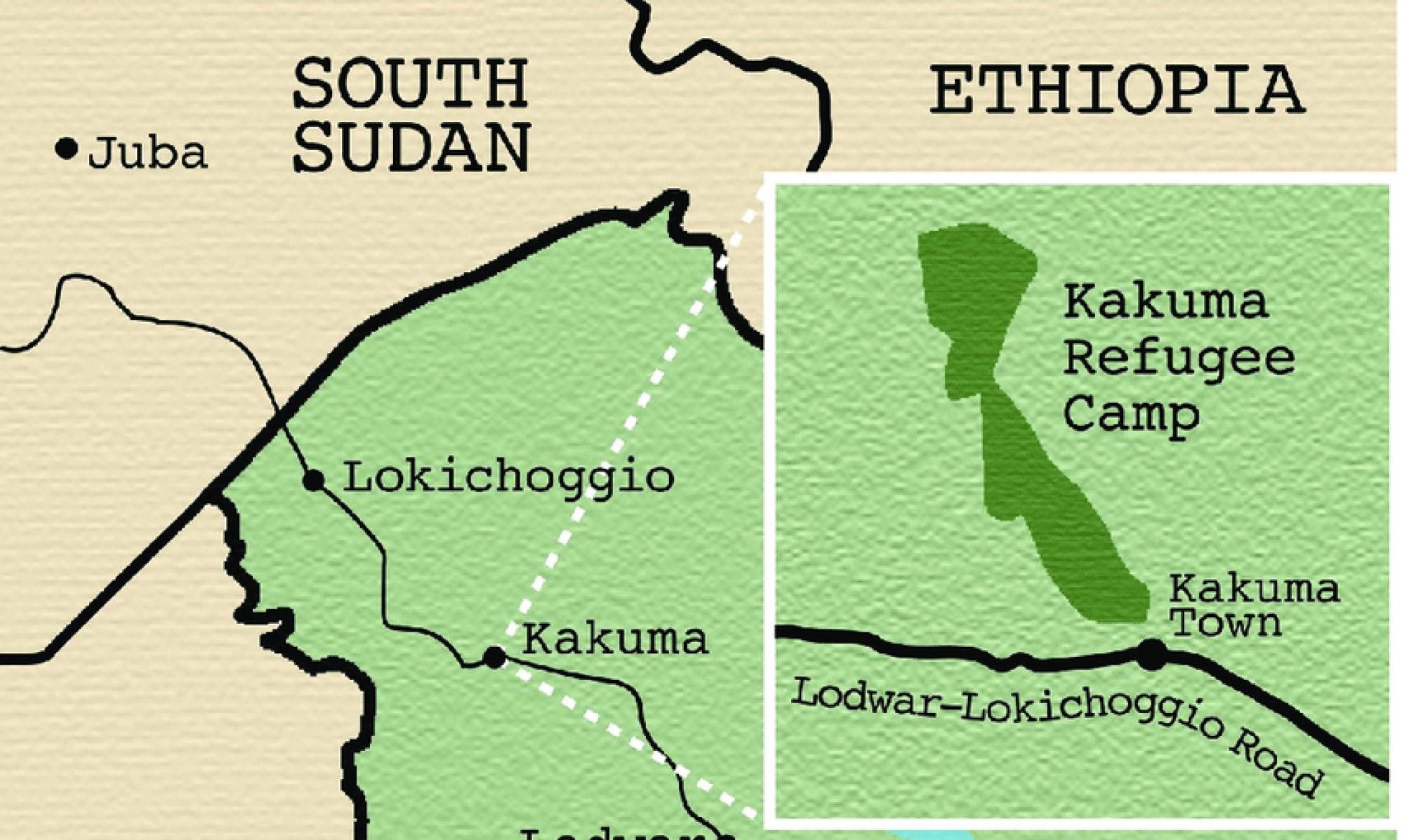
Refugees count on donations from outside UNHCR camps to supplement the currently reduced food assistance programs. However, money is not the only form of support that can be given. Over the past few weeks, we have been working with people who share their skills, creativity and knowledge. This week, Kadjosi tells us about the contribution of two allies from India: Ranjeet Shabag and Mrinalini Nigde.
The Making of a Refugee: A Journey of Pain and Hope, Part 3 – A New Beginning
Nine days without food, shelter, or even a blanketโthis was how Kadjosi Matabishi and his family began their life in Kenya. They slept on the cold floor of an unfinished building, clinging to hope while the wind pierced their bones. Then, a kind stranger led them to the UNHCR office, where they discovered that humanity could still shine even in the darkest of times. Today, that same hope is fading in Kakuma Refugee Camp. Funding cuts have left thousands of familiesโchildren, mothers, and the elderlyโwithout enough food to survive. Hunger is spreading despair, violence, and exploitation. Yet, just as one womanโs compassion changed Kadjosiโs life, your support can change theirs. Together, we can restore Kakuma as a true place of refugeโwhere hope grows instead of hunger.
The Making of a Refugee: Kadjosi’s Story
Kadjosi Matabishi Mzaliwaโs powerful refugee story sheds light on the humanitarian crisis in the Democratic Republic of Congo and the ongoing challenges in Kenyaโs Kakuma refugee camp. Fleeing militia conscription at 19, Kadjosi now leads a grassroots refugee advocacy initiative focused on food security, self-reliance, and sustainable aid. Discover how community-led humanitarian efforts like the DES Food Forest are transforming lives in exile.
Kakuma Famine Relief: Support Refugee Volunteers and Feed Families Today / Msaada wa Njaa Kakuma: Saidia Wakimbizi Wajitolea na Lisha Familia Leo
The food crisis in Kakuma Refugee Camp, Kenya, is worsening, affecting thousands, particularly vulnerable groups. The World Food Program's limited rations are leaving many without help. DES, a refugee-led organization, faces challenges as staff prioritize feeding their families. Donations to the DES Kakuma Famine Relief Fund are urgently needed.
How Famine Relief Can Shape Children’s Resilience / Jinsi Msaada wa Njaa Unavyoweza Kuunda Ustahimilivu wa Watoto
Help Support Urgent Sustainable Farming Initiatives for Refugees
Since the beginning of our Permaculture Initiative in Kakuma Refugee Camp, we have trained over 374 individuals in sustainable farming practices. Many of them have taken the knowledge to heart and started their own small gardens in their compounds. These gardens have not only produced vegetables but also brought hope, dignity, and resilience to families …
Continue reading "Help Support Urgent Sustainable Farming Initiatives for Refugees"
Creativity Feeds the Soul During Kakuma FamineโHelp Us Continue This Urgent Work / Wakati mgao wa chakula umekatwa, ubunifu hulisha roho -kutusaidia kuendelea
Empowering Refugee Women in Kakuma: A Path to Sustainability / Kuwawezesha Wanawake Wakimbizi huko Kakuma: Njia ya Uendelevu
Kakuma Refugees Still Need Your Help / Wakimbizi bado wanahitaji msaada wako
Water, Source of Life / Maji, chanzo cha uzima
The Kakuma refugee camp is suffering from a severe water shortage, forcing refugees to illegally access water by breaking pipelines or traveling considerable distances. Despite the dangers, this remains a widespread practice due to a lack of official systems. Donations are needed for the DES Kakuma Famine Relief Fund to help address this crisis.

