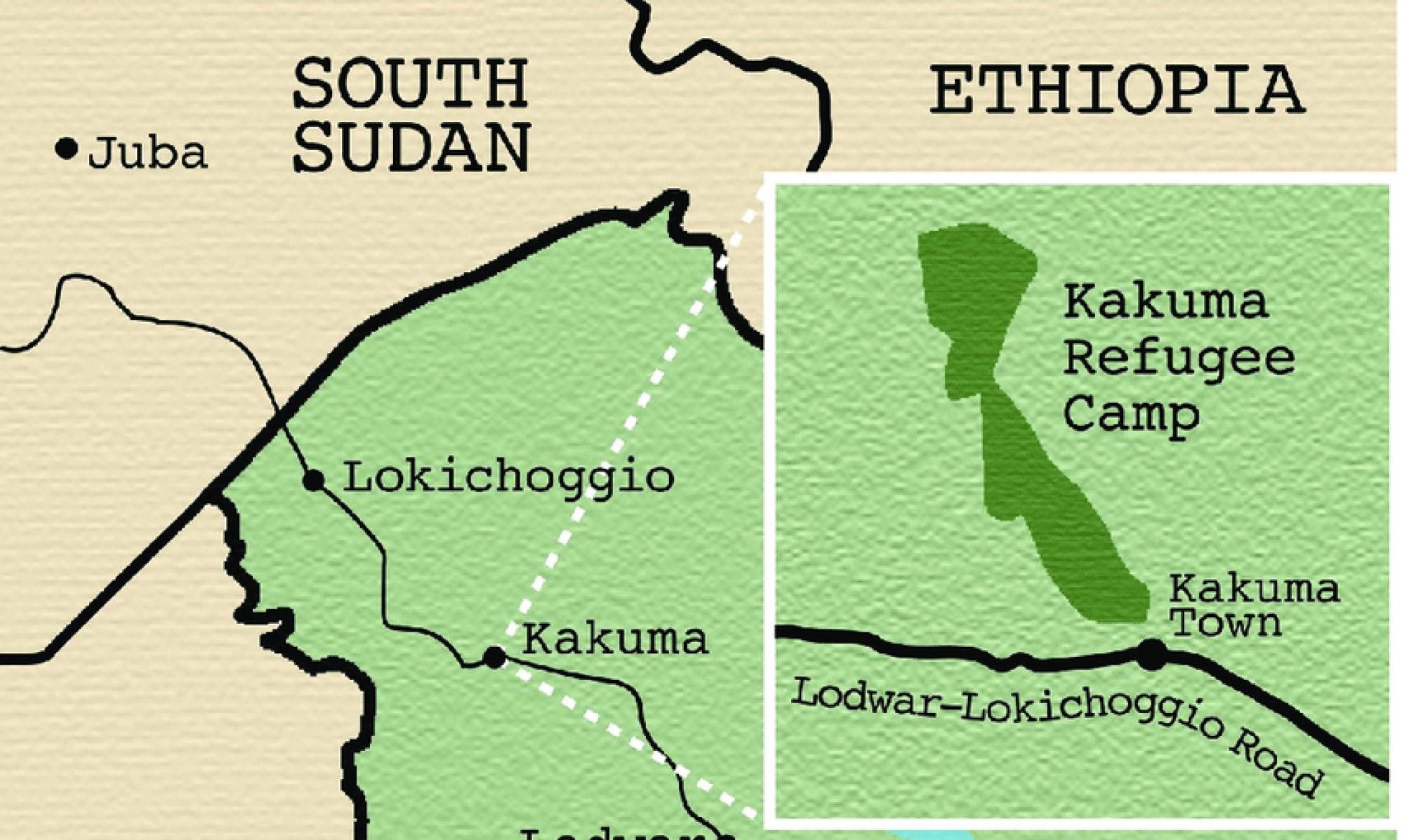
Creating a better life for the residents of the United Nations Kakuma Refugee Camp in Kenya, Africa / Karibu katika Maendeleo na U wezeshaji wa Jamii, shirika la jamii linalofanya mabadiliko huko Kakuma.
Help Support Urgent Sustainable Farming Initiatives for Refugees
Spread the love
Since the beginning of our Permaculture Initiative in Kakuma Refugee Camp, we have trained over 374 individuals in sustainable farming practices. Many of them have taken the knowledge to heart and started their own small gardens in their compounds. These gardens have not only produced vegetables but also brought hope, dignity, and resilience to families facing hunger.
In a time when food scarcity is worsening, these small successes mean the difference between going to bed hungry and having a meal on the table. We are proud of these achievements.
Support For Sustainable Farming Still Needed
However, we also face challenges. While some trainees thrive, many others have struggled due to: * Lack of farming tools * Scarcity of water * Limited access to seeds As a result, their dreams of self-sufficiency are being cut short.
At DES, we believe every refugee deserves the chance to grow food with sustainable farming and feed their families. That’s why we are committed to: * Training more refugees in permaculture and sustainable farming. * Providing essential farming tools and quality seeds * Supporting communities with strategies to cope with water scarcity
With your support, we can scale up this work and ensure no one is left behind.
How You Can Help
Your donation today can provide: * A hoe or watering can for a refugee farmer * A starter pack of seeds for a household garden * Training for more families to secure food for the long term
Together, we can transform hunger into hope. Please consider making a donation to support sustainable farming in Kakuma. Your generosity will empower families to stand strong, grow their own food, and build a brighter future.
Salima, a single motther of six living in Kakuma, placed in category 2 to receive a 20% of aid from UNHCR, explains how the permaculture training changed her life:
“Before, I had no way to provide enough for my children. I am a single mother without a job. It was painful to watch them go hungry. But after receiving this training, I started my own small garden. Now, even if I don’t have much money, at least I can put food on the table. My children no longer sleep hungry. I still face challenges, especially not having enough farming tools, but I am doing my best. This garden gives me both food and hope. Sometimes I exchange my vegetables with neighbors, and other times, I sell them to earn a little income. I am proud of what I have achieved, and I thank DES for giving me this knowledge that is now helping me to survive.”
Carlos Dodwa, a refugee father of four, currently in category 3, not receiving any aid from UNHCR, shared his gratitude for the sustainable farming training he received from DES:
“This knowledge and these skills helped us a lot. You know, I have four children and no job. It is not easy for me to find money. But because I now have my garden, my children and I no longer go to sleep on empty stomachs. Even though I do not have enough farming tools, I try my best. I am proud of my garden, and I always thank DES for providing this knowledge. From my garden, I get both food and income. Sometimes, I exchange my produce for other foods or anything I want, and sometimes I sell it for money.”
Food Security
Despite their difficult situations and lack of steady income, Carlos and Salima can feed their children daily from their gardens. Even with insufficient farming tools, they still manage to grow crops, showing their determination and the value of the training. Their gardens have become a small businesses; they barter vegetables and earn money, giving them dignity and independence.
Hope and gratitude: Carlos and Salima feel proud and empowered because they are no longer fully dependent on aid, they see their gardens as a source of hope for their families.
Sustainable Farming at the DES garden site in the Kakuma UNHCR camp.
Tangu mwanzo wa mradi wetu wa Permaculture katika Kambi ya Wakimbizi ya Kakuma, tumefundisha zaidi ya watu 374 mbinu za kilimo endelevu. Wengi wao wamejifunza vizuri na kuanzisha bustani ndogo katika makazi yao. Bustani hizi hazijazalisha mboga tu, bali zimeleta tumaini, heshima, na ustahimilivu kwa familia zinazokabili njaa.
Katika wakati ambapo upatikanaji wa chakula unazidi kuwa mgumu, mafanikio haya madogo yanamaanisha tofauti kati ya kulala njaa na kuwa na chakula mezani.
Msaada bado unahitajika
Tuna furaha na fahari kwa mafanikio haya. Tuna furaha na fahari kwa mafanikio haya. Hata hivyo, tunakabiliwa na changamoto. Wakati baadhi ya wanafunzi wanafanikiwa, wengine wengi wanapata ugumu kwa sababu: * Ukosefu wa vifaa vya kilimo * Uhaba wa maji * Upungufu wa mbegu za kupanda Matokeo yake, ndoto zao za kujitegemea zinakatizwa.
Kwenye DES, tunaamini kila mkimbizi anastahili nafasi ya kupanda chakula na kulisha familia zao. Ndiyo sababu tumejitolea: * Kufundisha wakimbizi zaidi kuhusu permaculture na kilimo endelevu. * Kuwapatia vifaa muhimu vya kilimo na mbegu bora. * Kusaidia jamii kuendeleza mbinu za kukabiliana na uhaba wa maji.
Kwa msaada wako, tunaweza kuongezea jitihada hizi na kuhakikisha hakuna anayebaki nyuma.
Jinsi Unaweza Kusaidia
Mchango wako leo unaweza kutoa: * Jembe au kopo la kumwagilia maji kwa mkulima mkimbizi * Pakiti ya kuanza kwa mbegu kwa bustani ya kaya * Mafunzo kwa familia zaidi kupata chakula kwa muda mrefu
Kwa pamoja, tunaweza kubadilisha njaa kuwa matumaini. Tafadhali fikiria kutoa mchango kusaidia kilimo endelevu huko Kakuma. Ukarimu wako utawezesha familia kusimama imara, kukuza chakula chao wenyewe, na kujenga mustakabali mzuri zaidi.
Salima, mmoja kati ya sita wanaoishi Kakuma, aliyewekwa katika kitengo cha 2 kupokea 20% ya msaada kutoka UNHCR, anaelezea jinsi mafunzo ya kilimo cha kudumu yalivyobadilisha maisha yake:
“Hapo awali, sikuwa na njia ya kuwapa watoto wangu vya kutosha. mama asiye na mwenzi Bila kazi, ilikuwa chungu kuwatazama wakilala njaa. Lakini baada ya kupata mafunzo haya, nilianzisha bustani yangu ndogo. Sasa, hata kama sina pesa nyingi, angalau naweza kuweka chakula mezani. Watoto wangu hawalali tena wakiwa na njaa. Bado ninakabiliwa na changamoto, haswa kutokuwa na zana za kutosha za kilimo. lakini ninafanya niwezavyo. Bustani hii inanipa chakula na matumaini. Wakati mwingine mimi hubadilishana mboga zangu na majirani, na nyakati nyingine mimi huuza ili kupata mapato kidogo. ninajivunia nilichopata, na ninaishukuru DES kwa kunipa maarifa haya ambayo sasa yananisaidia kuishi.”
Carlos Dodwa, baba mkimbizi wa watoto wanne, kwa sasa katika kitengo cha 3, bila kupokea usaidizi wowote kutoka kwa UNHCR, alishiriki shukrani zake kwa mafunzo ya kilimo cha kudumu aliyopokea kutoka DES:
“Ujuzi huu na ujuzi huu ulitusaidia sana. Unajua, nina watoto wanne na sina kazi. Si rahisi kwangu kupata pesa. Lakini kwa sababu sasa nina bustani yangu, mimi na watoto wangu hatuendi tena kulala kwenye matumbo tupu. Ingawa sina zana za kutosha za kilimo, ninajaribu niwezavyo. ninajivunia bustani yangu, na huwa nashukuru DES kwa kutoa maarifa haya. Kutoka kwa bustani yangu, ninapata chakula na mapato. Wakati mwingine mimi hubadilisha mazao yangu kwa vyakula vingine au mawazo yoyote ninayotaka, na wakati mwingine mimi huuza kwa pesa.”
Usalama wa chakula Licha ya hali zao ngumu na ukosefu wa mapato ya kutosha, Carlos na Salima wanaweza kulisha watoto wao kila siku kutoka kwa bustani zao. Ustahimilivu na zana chache: Hata kwa zana duni za kilimo, bado wanaweza kupanda mazao, kuonyesha maamuzi yao na thamani ya mafunzo.
Kizazi cha mapato: bustani zao zimekuwa biashara ndogo; wanabadilishana mboga na kupata pesa, wakiwapa heshima na uhuru.
Matumaini na shukrani: Carlos na Salima wanajisikia fahari na kuwezeshwa kwa sababu hawategemei tena misaada kikamilifu, wanaona bustani zao kama chanzo cha matumaini kwa familia zao.