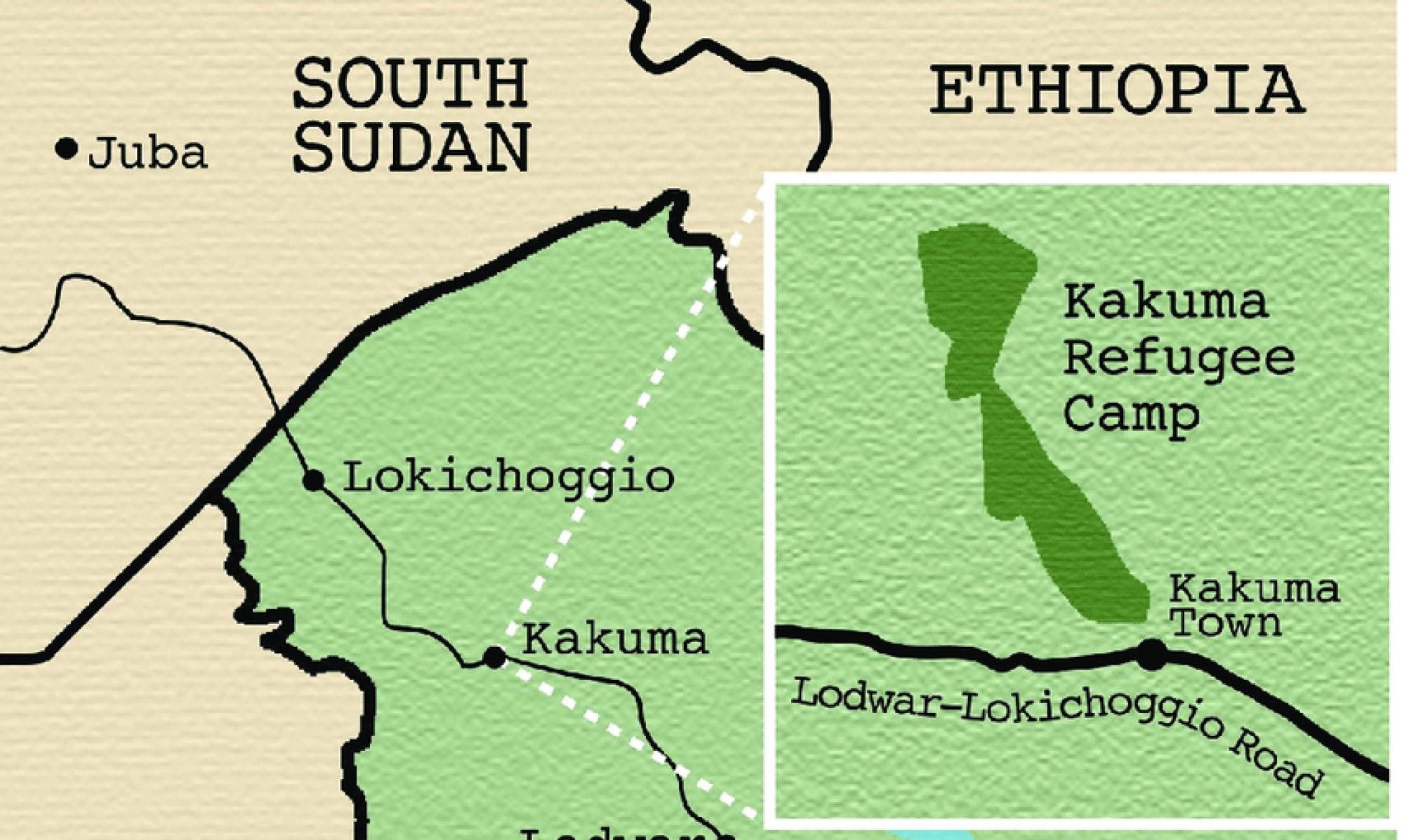


When Kadjosi Matabishi Mzaliwa was 19 years of age, his family home was surrounded by armed men in military uniforms firing their guns into the air. They had come to force the Mzaliwa’s eldest son to join them. Kadjosi’s father was a respected spiritual leader, the head pastor of a church, and a man known for his kindness and generosity. The men who had come for his son believed if he was seen in their ranks it would bring them power and respect. But Mr. Mzaliwa would not give Kadjosi up to violence, choosing instead to relinquish him to the destiny he carried in his middle name. The name Matabishi signifies qualities such as innovation, independence, determination, and leadership. People with this name are often seen as energetic and ambitious, with a strong desire to succeed. The night Kadjosi’s journey into exile began also marked the beginning of his quest to honor his father’s word.
| Gunshots echoed wildly outside. Everyone ran in panic. Without thinking twice, I jumped through the window and hid in the bush, under a thick shrub. My heart pounded rapidly as I wondered what was really happening. Something in me refused to rest. I felt I had to know more, to see with my own eyes what was happening to our home. So I decided to climb the nearby hill, a place from which I could see the entire village, our house, and the smoke rising from a distance. When dawn broke, I met my sister with her baby girl and my cousin. The four of us, frightened and sorrowful, gathered to decide what to do. We agreed to move along the edge of the village and listen, hoping things had calmed down so we could return home. When we reached a hiding spot, an old man appeared. He looked at us with compassion, then spoke words that shattered my heart into pieces: “Don’t go back to the village. Your father has been arrested along with others. They’ve been taken into the forest. They said he will only be released if you, Kadjosi, surrender and join them. If you refuse, he will never return.” The world seemed to spin around me. I sat down, tears streaming down my face, my heart heavy with pain and anger. I felt weak, helpless, and deeply guilty. I stayed there for over two hours, torn between two impossible choices: should I surrender myself to save my father or stay away forever? Then my father’s words echoed in my mind. I remembered the day he told me, in a calm but firm voice: “My son, no matter what happens, never join those who oppress others. Peace is not built by guns but by pure hearts. You are a mirror of society, a gift from God. I named you Matabishi because God showed me that you will be His gift to people.” Those words pierced my heart. I knew I could not go against my father’s last wish. Even though my heart longed to sacrifice myself for him, my spirit gave me peace to stand firm in truth. We decided to leave and head to another village where my aunt lived. When we arrived in the evening, she listened to us with sympathy but also fear. She said hurriedly: “My children don’t stay here. They’re searching every village. If you remain, you’ll bring me trouble. Go farther, somewhere no one can reach you.” She gave us some food and water in a five-liter jerrycan, and we began our painful journey again, praying for God’s guidance. When we reached another village, we introduced ourselves to the village chief and told him everything that had happened. He welcomed us kindly and gave us temporary stay. But after a few days, word spread, young people were being hunted by a local militia group. The chief informed us and urged us not to go outside. We stayed indoors for three whole days, counting the minutes in fear. One day, a message came from my aunt: my father had sent word that I must leave completely, and the situation was no longer safe for me. The chief, moved by pity, arranged a secret escape. He found two young men with experience, gave us a little money, and helped us reach the border of Burundi. They told us, “Do not look back. Keep going until you find peace. Go to Uganda or Kenya, and Kenya is safer. There, there is no discrimination.” We crossed the border in secrecy, carried by the driver of a fuel truck. The road was long, but our hope was stronger. Every hill we climbed, every cloud of dust that covered us, became a testimony to our search for a new life, the journey into exile. And so, my journey into exile began, not by choice, but by the power of destiny, a destiny to seek peace, freedom, and to fulfil the meaning of my name: Matabishi: God’s gift to society. Watch for more about Kadjosi’s story in our next DES News post. |
When Kadjosi sent me part 2 of his story, I discovered the source of the resilience, faith and determination I have admired in him since we first met. It made me wonder about my own name and how its meaning might be reflected in my life. My name means “bright” or “shining light.” It resonates deeply with my work as I strive to illuminate the experiences of African refugees and use my art to shed light on the changes needed to combat societal apathy.
What is your name? Does it carry deep meaning? Does the world need your own special gifts?
Your support will go a long way toward helping Kadjosi and the Kakuma refugees survive the current famine and set up the water conservation tools they need. To donate, please click here.