

| From the late 1800s to this day, peace has not been the norm in the Democratic Republic of the Congo. Under King Leopold II, who ruled from 1885 to 1908, forced labour and resource extraction led to millions of deaths. The Belgians continued resource exploitation with minimal investment in infrastructure or education from 1908 to 1960, generally excluding the people from governance and economic development. Independence came in 1960, but the mineral-rich Katanga Province attempted secession and the DRC military mutinied. In 1961, Prime Minister Patrice Lumumba was assassinated, further exacerbating political chaos. From 1965 to 1997, the country—renamed Zaire—was ruled by Mobutu Sese Seko, whose authoritarian regime fostered corruption and economic collapse. |

In 1996, the influx of refugees from the Rwandan genocide destabilized eastern Congo, sparking the First Congo War. Laurent-Désiré Kabila overthrew Mobutu, but his rule was short-lived. From 1998 to 2003, the Second Congo War drew in nine countries and dozens of armed groups, leaving millions dead and the region in chaos.
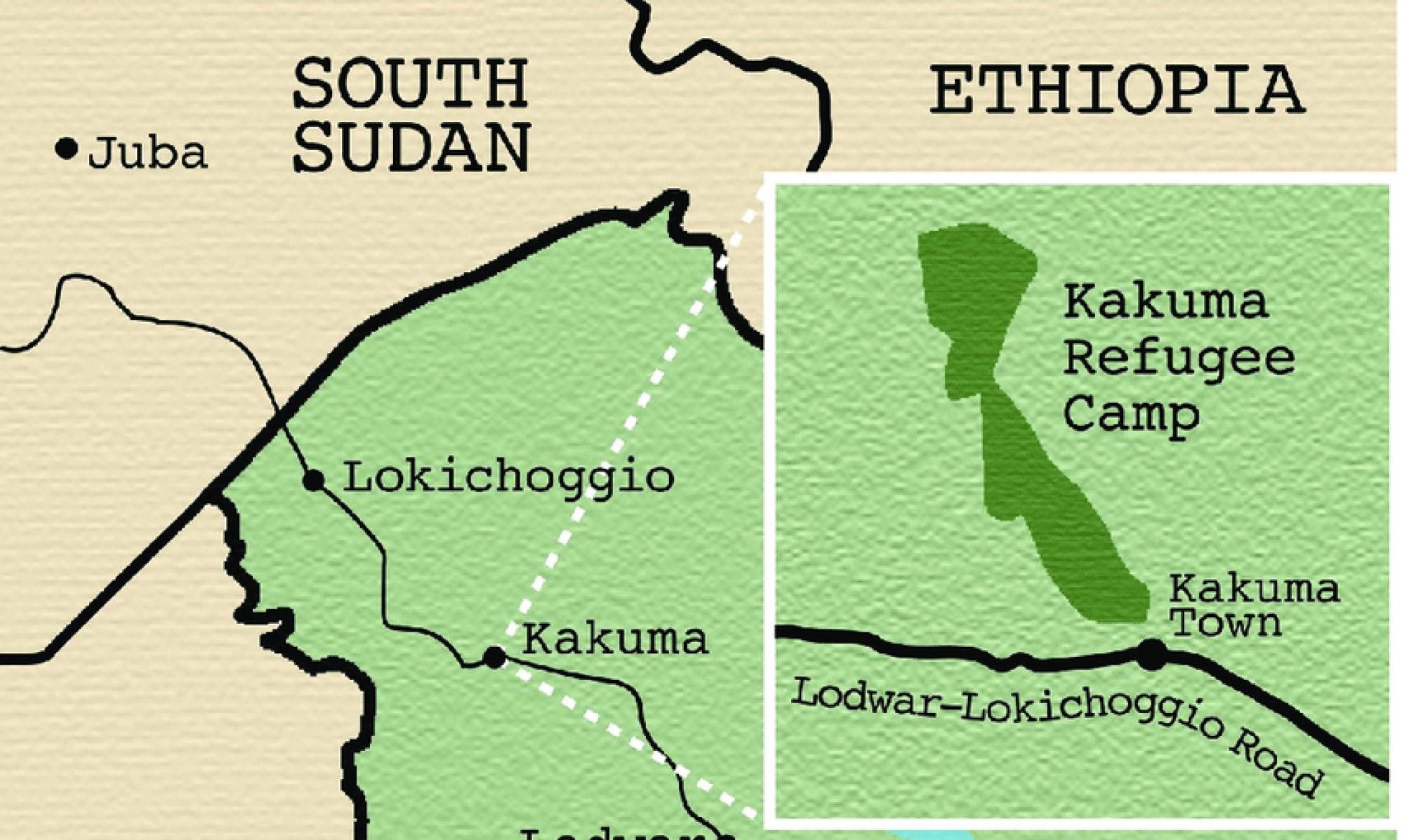
Since the early 2000s, South Kivu has remained a flashpoint of violence in eastern DRC, shaped by the aftermath of regional wars, ethnic tensions, and competition over mineral wealth. Armed groups, including militias and foreign-backed rebels, have terrorized civilians through forced recruitment, displacement, and sexual violence. Despite intermittent peace efforts, instability persists, with recent surges in conflict displacing thousands. Kadjosi Matabishi Mzaliwa fled this volatile landscape at 19 to escape militia conscription. Now chairman of the DES CBO in Kenya’s Kakuma refugee camp, his journey reflects both the trauma of conflict and the resilience of those working to rebuild from exile.

Becoming a Refugee: A Journey of Pain and Hope, Part 1
Firstborn Son
I was once a young man full of dreams. I was born into a respected and loving family. My father was a highly regarded man in our community, a spiritual leader, the head pastor of a church, and a man who touched many lives through his kindness and generosity.
We didn’t live in poverty. We had cows, goats, chickens, farms, and small businesses that provided for our needs.
I’m the firstborn in a family of five children. My father loved me deeply and always encouraged me to follow in his footsteps to serve God, to help others, and to be a light in the community. I had big dreams, dreams of studying, succeeding, and changing the world. I was fortunate to reach university for two years, which in my country was considered a great achievement. I was proud of it, and my father was even prouder.
Confronting The Power Hungry
But then, the world began to change. The peace in our country started melting away like ice under a burning sun. Fear filled the streets. Armed groups began to form, claiming to protect citizens from government oppression. At first, people saw them as heroes, brave young men standing up for justice. But as time passed, things took a darker turn. These groups began to use fear and violence. They forced every family to give one or two young men to join their militia. They claimed it was for the protection of the town, but in reality, they were seeking power, control, and dominance.
My father refused. He stood firm and said: “God did not create us to kill our brothers in the name of protection. Peace is not built with guns but with pure hearts.”
That statement cost him dearly. The militias began to threaten him. They came to our home demanding food, money, and support. They beat him, stole our livestock, and took our harvests. They wanted to break him to make him surrender, but he could not stand for injustice.
The situation became even worse because the government also began to suspect him. Officials asked, “Why do you allow these armed men to visit your home?” At the same time, the militias accused him of feeding and protecting government soldiers. My father became an enemy to both sides.
A Fateful Night
And then came the night of terror. In the middle of the night, we heard gunshots. Our house was surrounded. Men in military uniforms shouted and fired their guns into the air. We froze in fear. I knew that night my life was about to change forever. I was 19 years old. They came for one reason, to force me to join them. They believed that if I joined their group, it would bring them power and respect. But my heart refused. I could not fight for something that only brought pain and bloodshed to my people. I knew that if I agreed, I would lose myself forever.
That night changed my life. I realized that if I didn’t run, I would die or lose my soul. And so, my journey as a refugee began.
To read Part 2 of Kadjosi’s story, please subscribe to DES News.
Growing up, Kadjosi never expected to be forced to leave his family and country. As we watch the rise of extreme climate events, divisive rhetoric and nationalist sentiment under the rule of increasingly authoritatian governments, very few of us can be assured of our continued safety.
The current situation in Kakuma refugee camp reflects a community under severe strain, with reduced aid forcing some refugees to make difficult decisions about returning to potentially dangerous home countries rather than facing hunger and uncertainty in the camp. Kadjosi and his team continue to work to develop self-sustenance and empower refugees. Among the many activities they provide is their Food Forest / community garden. This initiative is providing a little help to stave off hunger for some, but it urgently needs funds to pay for a well and water conservation tanks.
Please join us in making a lasting impact on the lives of Kakuma refugees.
Your donation will fund the creation of a reliable water source to ensure crops grow to their full potential.
To donate, please click here.
📚 Sources
- Concern Worldwide—Timeline: Democratic Republic of the Congo’s crisis at a glance https://concernusa.org/news/democratic-republic-congo-crisis-timeline/
- CADA—History of Conflict in the Democratic Republic of Congo https://charityada.org/history-of-conflict-in-the-democratic-republic-of-congo/
- RFI—From 1960 to present day, 11 dates that explain the conflict in the DRC https://www.rfi.fr/en/africa/20250329-from-1960-to-present-day-eleven-dates-that-explain-the-conflict-in-drc