Water, Source of Life / Maji, chanzo cha uzima

A crowd of people waits to access water during shortages at the Kakuma refugee camp, September 2025.

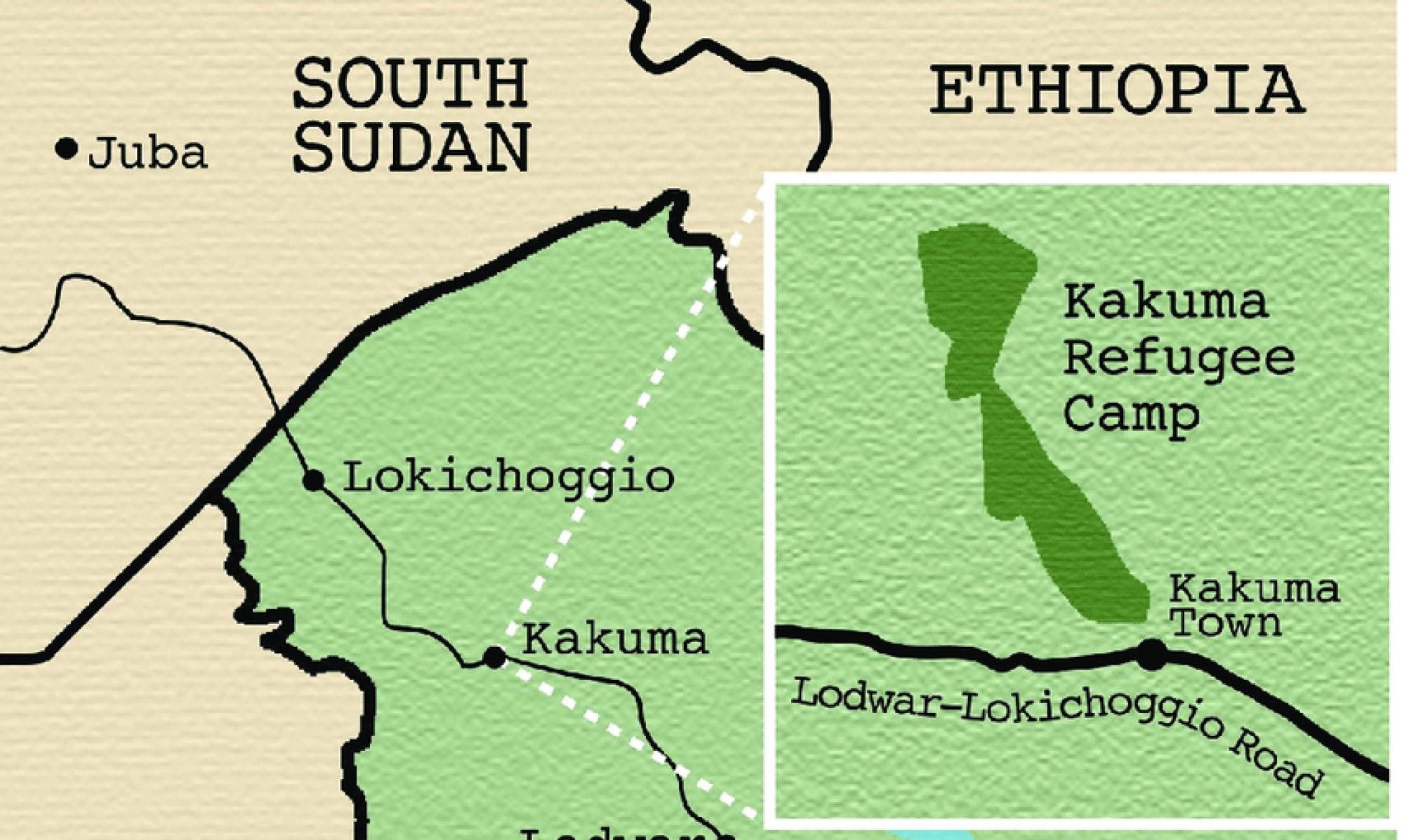
The Kakuma refugee camp is suffering from a severe water shortage, forcing refugees to illegally access water by breaking pipelines or traveling considerable distances. Despite the dangers, this remains a widespread practice due to a lack of official systems. Donations are needed for the DES Kakuma Famine Relief Fund to help address this crisis.

DES Kakuma Famine Relief Update / Sasisho la Msaada wa Njaa la DES Kakuma

Women in brightly colored clothing stand behind food rations provided to help stave off hunger in the Kakuma Refugee camp.

The DES Kakuma Famine Relief Fundraising Campaign continues to address critical food insecurity facing African refugees through direct community collaboration. This update provides transparency on how donations have been utilized and highlights the ongoing efforts led by local community organizations. The crisis facing African refugees persists largely without media attention, making community support essential for sustainable solutions. While immediate relief addresses urgent needs, the focus remains on empowering refugees through collaborative approaches that build long-term resilience.

Cultivating Hope: How Your Donation Can Help 1,000 Kakuma Refugees Transform Hunger into Harvest / Kukuza Matumaini: Jinsi Mchango Wako Unavyoweza Kusaidia Wakimbizi 1,000 wa Kakuma Kubadilisha Njaa kuwa Mavuno

The community is addressing food insecurity through a food forest project aimed at training 1,000 refugees in sustainable agriculture. While immediate donations for emergency relief are needed, the initiative emphasizes self-sufficiency and aims to empower individuals and families for long-term food security. Collaboration is key to achieving this vision.

A Call For Global Sisterhood / Wito wa Dada wa Ulimwenguni

Here's alt text for this image: A young person in an orange shirt carries yellow and green watering containers while walking along a dirt path through a lush vegetable garden. The garden shows thriving green leafy crops growing in organized rows, with other people visible working in the background. Blue corrugated metal structures and acacia trees can be seen in the distance. This community garden is located in the Kakuma refugee camp's arid climate where the green vegetation stands out against the natural landscape.

The UNHCR Kakuma Camp houses ~300,000 African conflict refugees. Sexual violence is endemic, with rape most frequent—police report six daily cases. New arrivals and single female heads of households face highest risks. Over 79 million African girls/women experience sexual assault before 18, with 21.4% prevalence among African refugees in humanitarian settings. Globally, 100+ million forcibly …